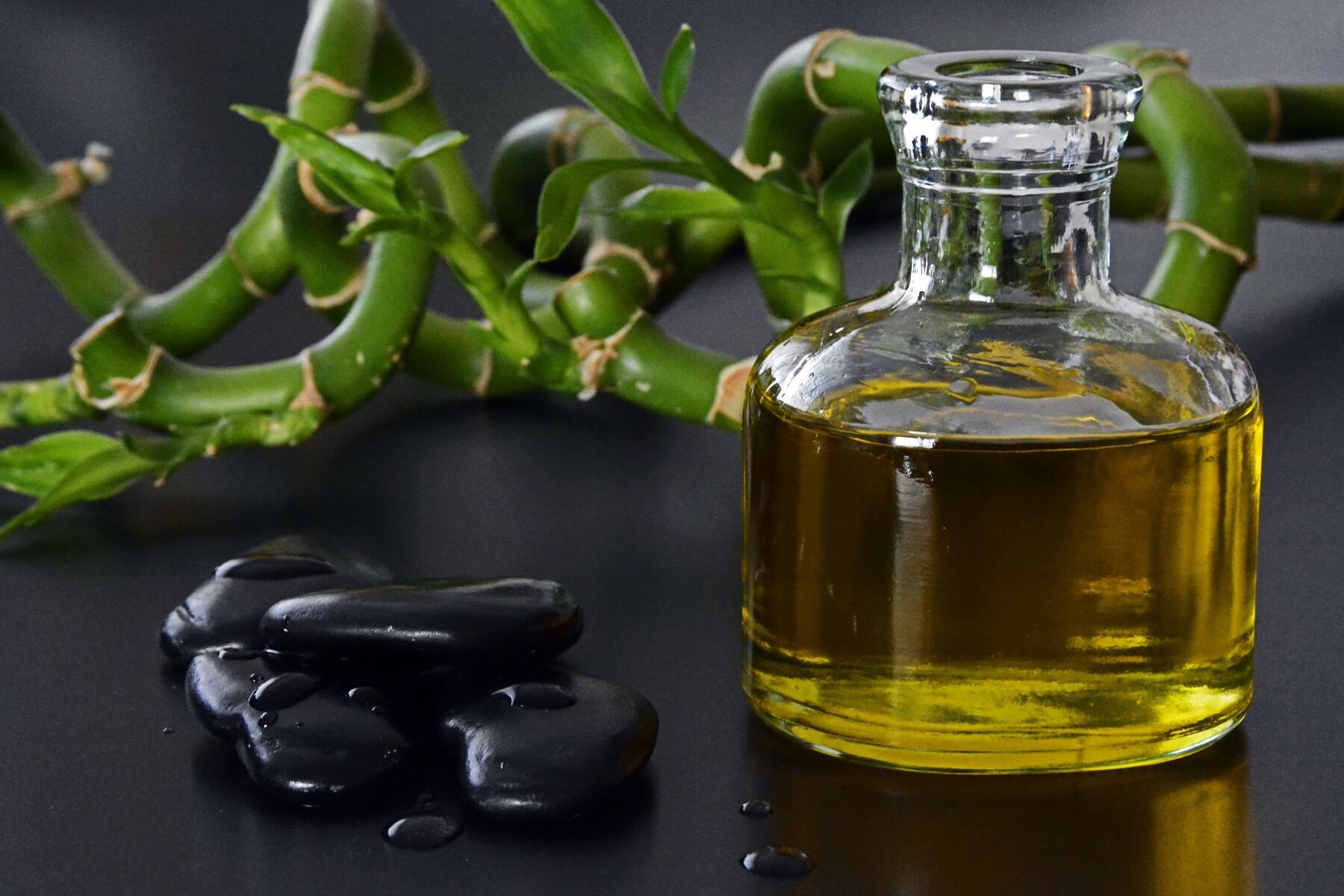
Olive oil is derived from olives and is a staple of the Mediterranean diet. The oil has many nutritional benefits when consumed, but it is also frequently applied to the skin and hair.
Active ingredients
Olive oil is rich in antioxidants, such as vitamin E and polyphenols, but also in chlorophyll (especially extra virgin olive oil). In addition, it contains other important active ingredients, such as high levels of vitamin K, but also trace elements such as sodium and potassium, which are beneficial for the skin, and iron, which is very good for hair.
Properties
The chlorophyll contained in olive oil, due to the increased antioxidants it contains, has greater durability and stability in light compared to other types of oils. So, if you apply olive oil on your skin and hair, you will benefit from them, you will protect them mainly from dryness and you will improve their texture. Thanks to the antioxidant action of polyphenols and vitamin E, the skin is protected from premature aging, since the destructive free radicals are "fought".In order for olive oil to maintain its nutritional value, which is very important first of all for health reasons (eg it has an antioxidant effect on the body's cells, while the monounsaturated fatty acids it contains are very helpful in reducing "bad" cholesterol). and in increasing "good", thus eliminating the risk of heart disease, etc.), it is best to eat it raw in salads and meals.
Moisturizer
Olive oil when mixed with bee wax turns in to a powerful moisturizing product to treat dry skin. This combination is also effective against viral, bacterial, and inflammatory problems of the skin.
Antioxidant content
Olive oil acts as an antioxidant, which is a substance that prevents oxidation. Oxidation is a process that can produce free radicals, which are chemicals that can potentially damage cells and may contribute to cancer development.
When applied to the skin, antioxidants may prevent premature aging. Also, some research suggests that putting olive oil on the skin after sun exposure may fight off cancer-causing cells.
In the study, scientists applied the oil to the skin of mice that had been exposed to potentially harmful ultraviolet (UV) rays. Tumor growth was significantly lower in the mice that had olive oil on their skin compared with those who did not.
Scientists need to carry out more research in this area to understand the effects of olive oil’s antioxidant properties on human skin.
Antibacterial effects
Olive oil has been shown to have antibacterial properties. However, there are very few studies on olive oil’s ability to control bacteria on the skin.
One small study looked at the effects of using olive oil and coconut oil on Staphylococcus aureus bacteria on the skin. The results found that both oils exhibited antibacterial properties, but virgin coconut oil was more effective at eliminating the bacteria. Nonetheless, olive oil may sometimes be used to treat bacterial infections of the skin. It may also improve healing in people with foot ulcers caused by type 2 diabetes.
Anti-aging
Extra virgin olive oil is a rich source of vital vitamins and minerals and when applied topically helps to delay the signs of aging such as wrinkles and fine lines. This oil contains vitamin E that is a powerful antioxidant and supports the rejuvenation and regeneration of skin cells.
Vitamin content
Olive oil contains the fat-soluble vitamins A, D, E, and K. Some of these vitamins may be beneficial for the skin.
For example, people have used vitamin E oil topically throughout history to treat a variety of skin conditions, including psoriasis and eczema.
Moisturizing effects
Olive oil is a popular natural moisturizer that is often used to soften both skin and hair.
Sources: medicalnewstoday.com
goodhousekeeping.com
cookist.com